
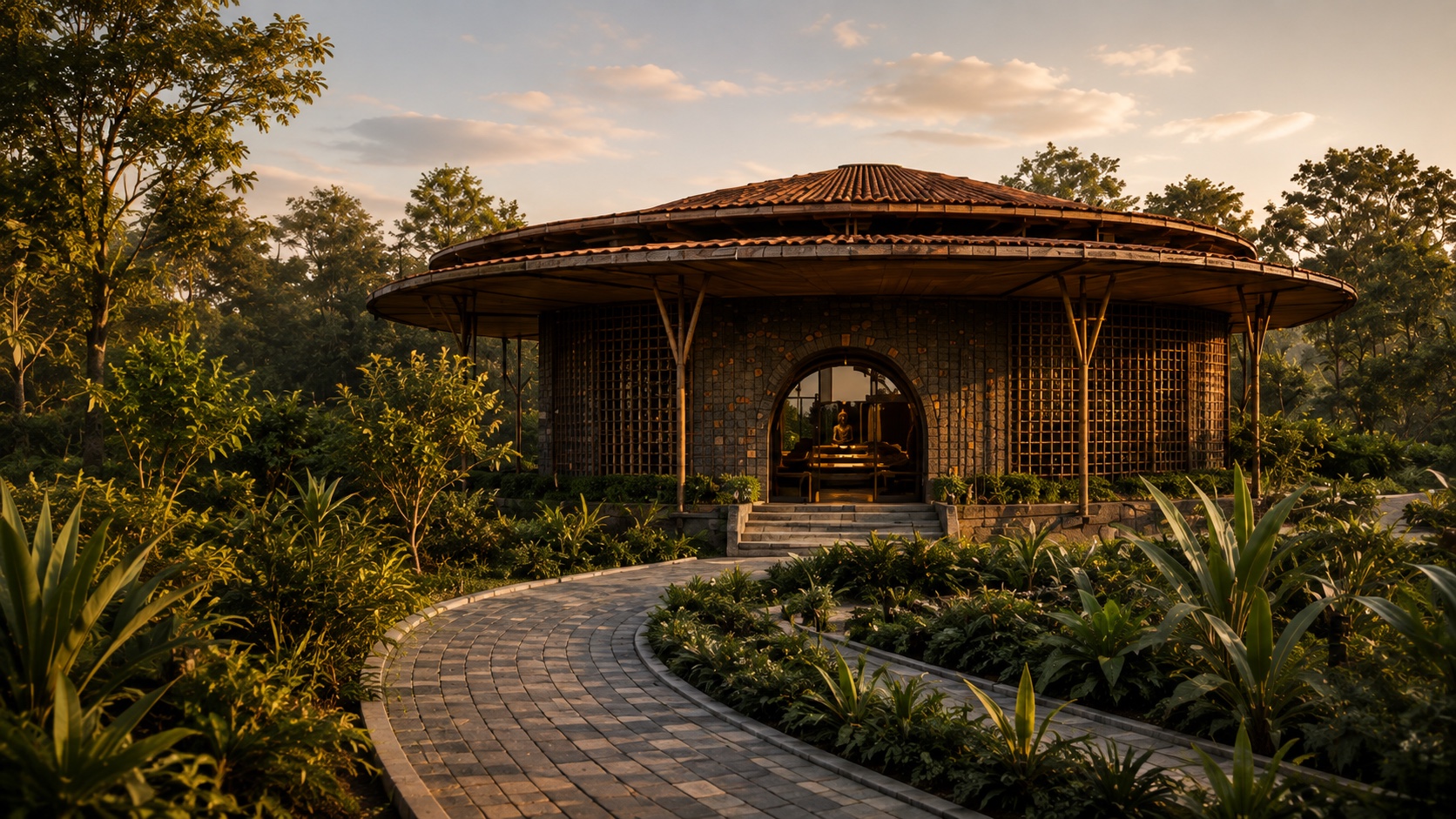
Pasag Vihar
Dhyan Kendra • Shant Kshetra • Seva Dham
A training centre for the method of meditation taught by the Tirthankar Parmatma for liberation, and honoured by countless yogi-purushas.
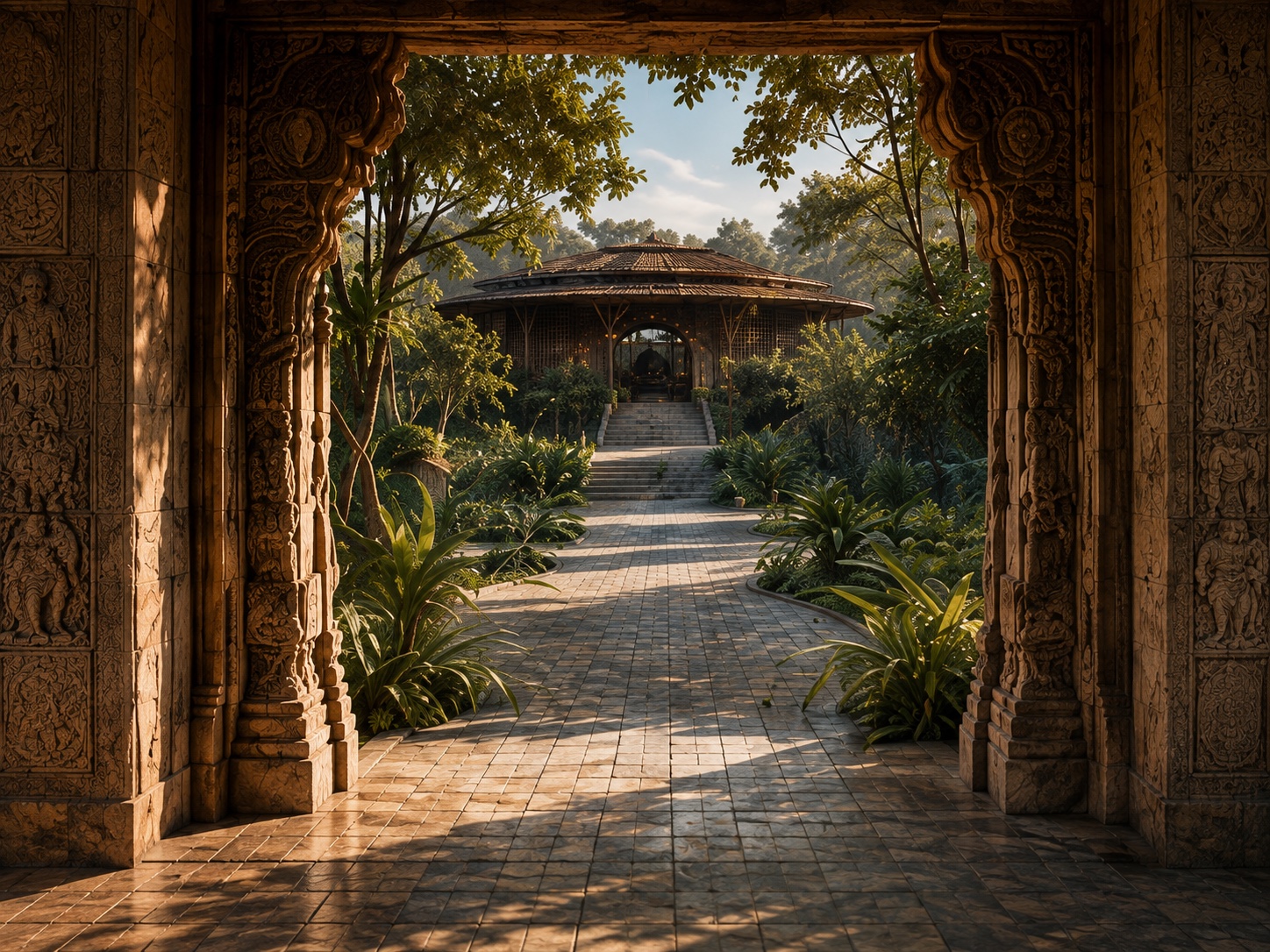
Where dhyan, gyan and seva meet
On the ancient nirgranth bhoomi of Anjaneri (Nashik), Pasag Vihar is taking form — a training centre for the method of meditation taught by the Tirthankar Parmatma and honoured by countless yogi-purushas.
A tranquil campus amid nature, complete arrangements for dhyan and sadhana, spaces for gyan and swadhyay, and the spirit of seva and karuna — the complex rises on these four pillars.
A tranquil campus amid nature
A centre for dhyan and sadhana
Gyan and swadhyay
Seva and karuna
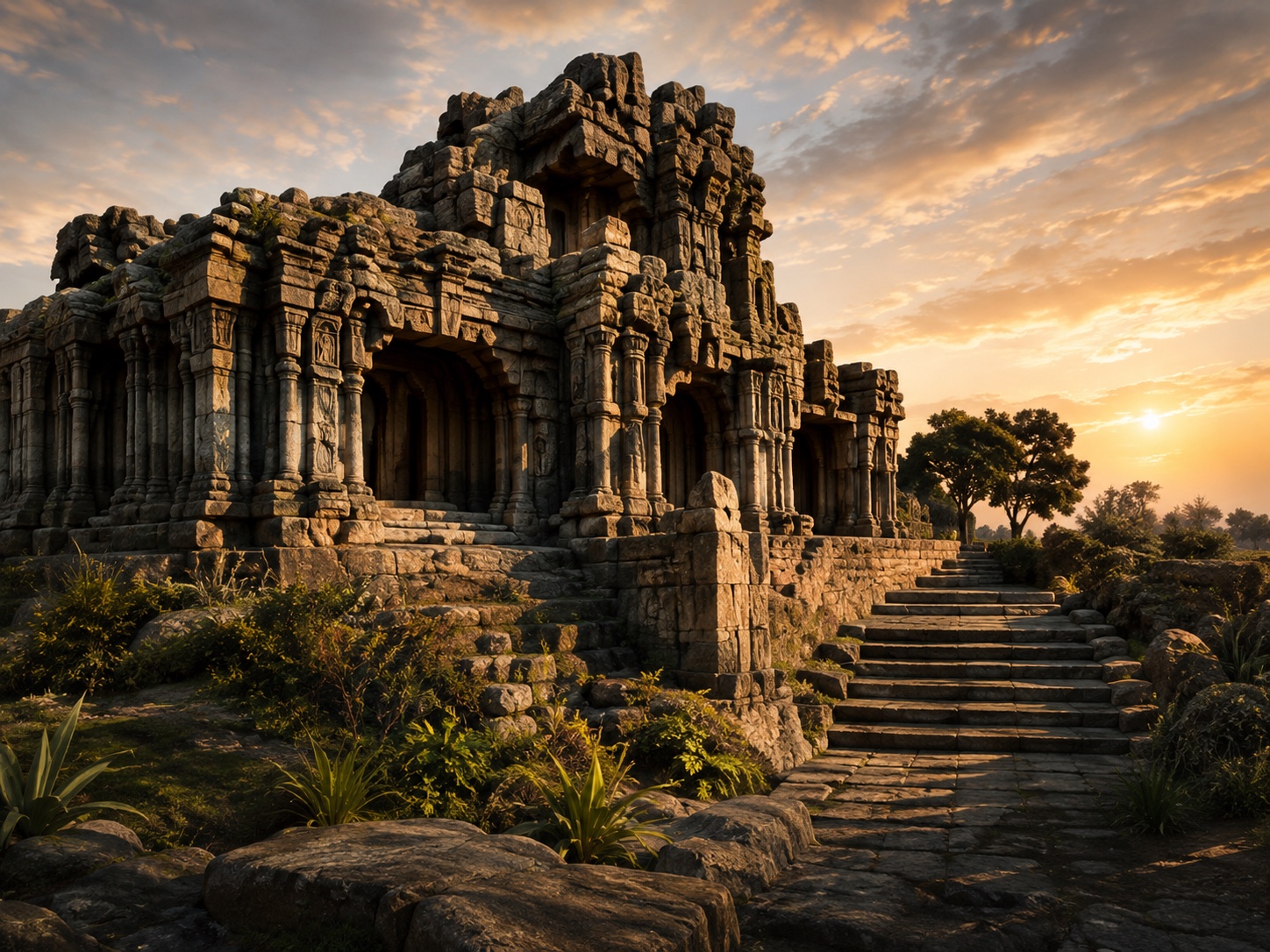
The Bhoomi
The ancient nirgranth bhoomi — Anjaneri
A ground hallowed by the birthplace of Hanumanji, ancient caves, and the remains of 108 jinalayas.

The Sadhana
The inward sadhana of every naya
Seven-day cycles of silence and tattvagyan — Pasag Sadhana leads the seeker toward purity of the self.
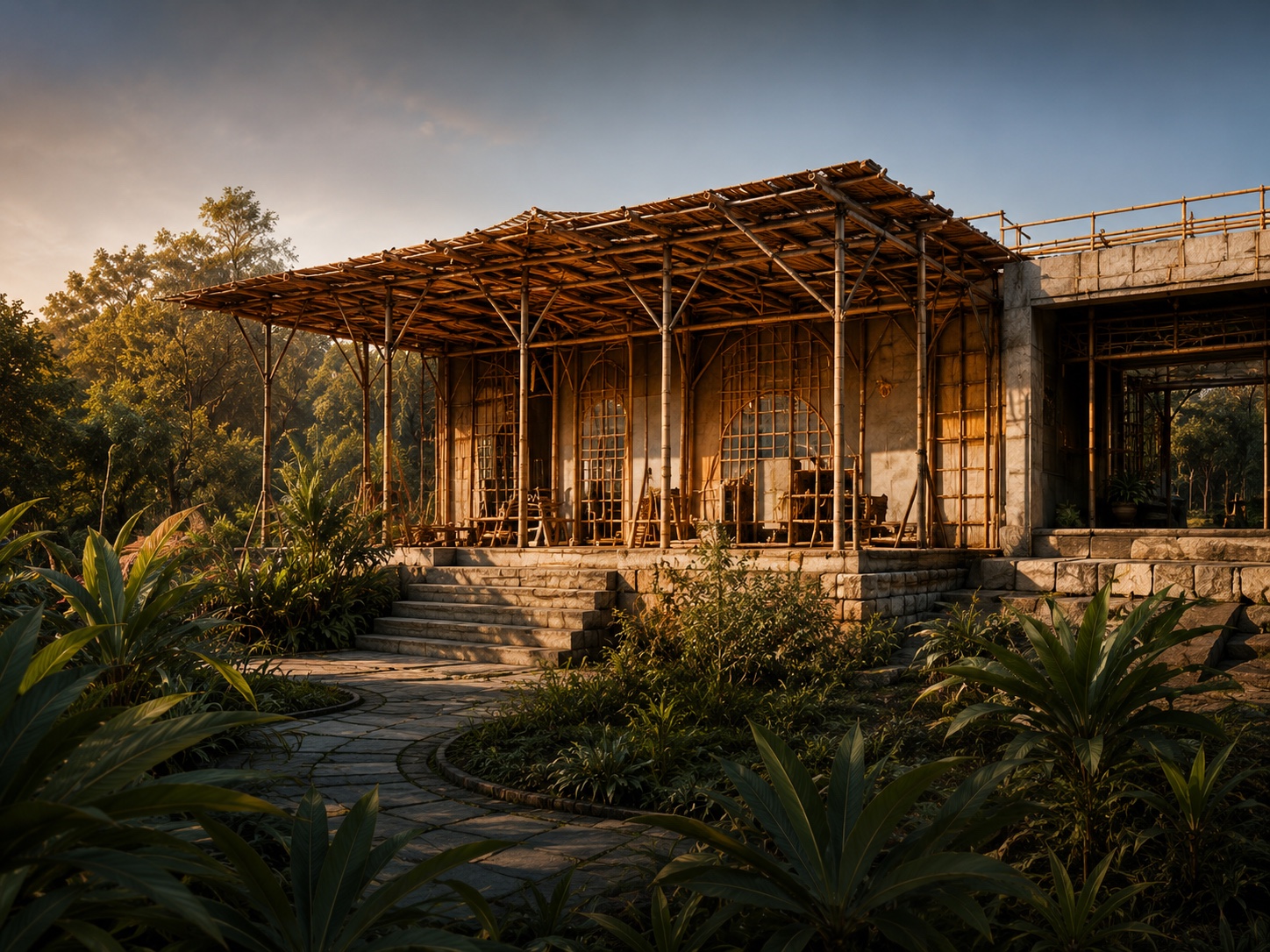
The Construction
The first dhyan kendra of its kind in the Jain tradition
Lime-built, environment-nourishing construction — a complex where 108 seekers can practise at once.
About Pasag Bhoomi
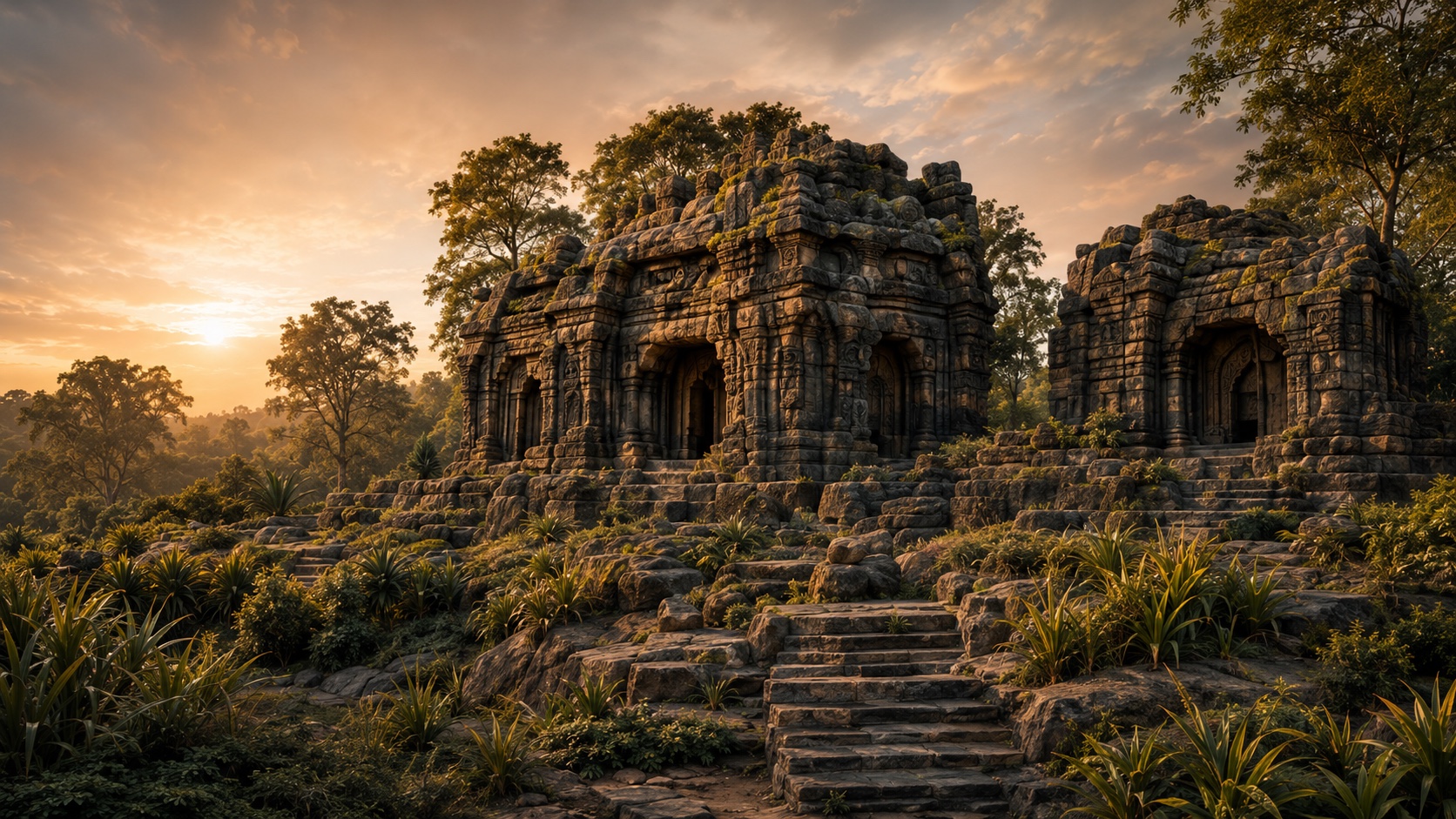
The ancient name of Anjaneri is Anjangiri. It is the birthplace of Hanumanji.
Even today the hill holds the cave of Shri Shantinath Prabhu, some two and a half lakh years old; the thousand-year-old cave of Shri Parshvanath Prabhu still teaches the seeker the discipline of profound silence.
There is evidence that as many as 108 jinalayas once stood in the foothills of Anjaneri — and even now the captivating ruins of many of them testify to the grandeur of the past and the sanctity of this ground.
On this land, consecrated by the presence of many yogi-purushas moving in their subtle form, the most ancient tradition of Jain meditative practice is now coming to light under the name “Pasag Vihar”.
Birthplace of Hanumanji
Caves two and a half lakh years old
Remains of 108 jinalayas
An ideal ground for sadhana
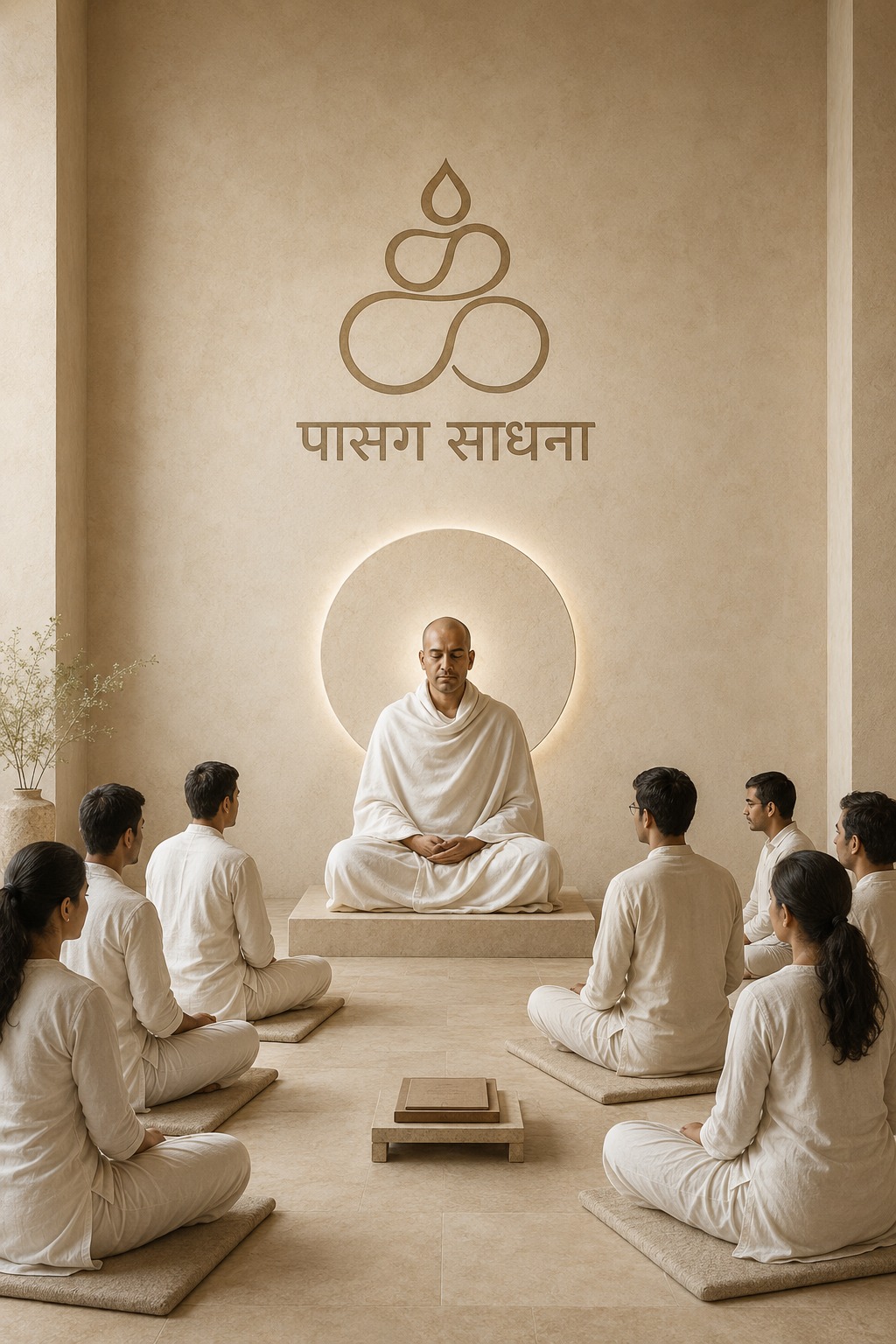
Pasag Sadhana
The all-encompassing sadhana of Jain dharma is Pasag Sadhana — a practice for turning every naya (point of view) inward. An inner journey lifted from both sides, emptiness and fullness: that is Pasag Sadhana.
Dhyan
Swadhyay
Upasana
Satsang
Facilities for the seekers
Architecture that lets every seeker draw a thread between themselves and nature.
Complete arrangements for 108 seekers to practise sadhana at one time.
No more than two seekers to a room — and independent, partitioned space for both.
A dedicated structure for meditating under the open sky.
Excellent provision for entering a cave and practising dhyan within a dense yet silent forest setting.
Entirely separate paths, meditation spaces and dining for men and women.
Most of the construction in lime rather than cement — for coolness, and for strength that lasts generations.
A grand prasad with an idol, as a support for contemplation of the Vitarag Parmatma.
An art gallery and auditorium to convey the significance of the meditative method.
A library planned for research into dhyan.
Provision of upashrayas with cellars for Sadhu and Sadhviji Bhagwants.
A separate upashray for visiting Sadhu and Sadhvijis.
Built so that the environment suffers no harm at all — and is nourished instead.
A glimpse of the architecture
Contribute to Pasag Vihar
The scheme for participating in this entire complex
Ratnarashi
₹ 1.08 Cr
Suvarnarashi
₹ 54 Lakh
Rajatrashi
₹ 27 Lakh
As an expression of gratitude to the benefactors who participate, names will be fittingly inscribed in the shilalekh at the feet of the chaturmukh darshaniya Parmatma in the kirtistambh.
Come, let us take part in this divine sankalp.
Your gift, your time and your support — an invaluable legacy for the generations to come.
Pasag Vihar Foundation
Gate No. 925, Village Anjaneri, Tal. Trimbakeshwar, Nashik, Maharashtra 422213
Valson Compound, L.B.S. Marg, Bhandup (W), Mumbai, Maharashtra 400078
www.pasag.org